
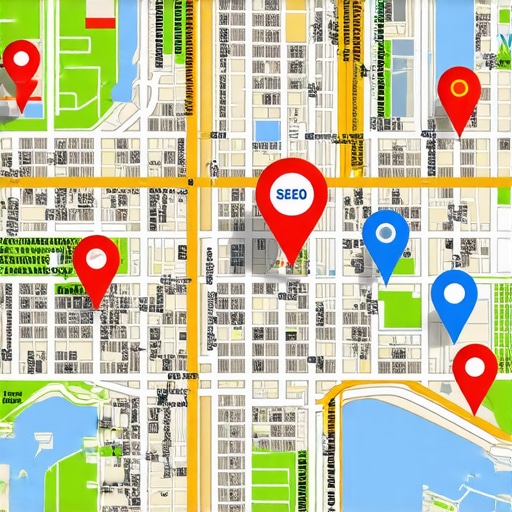
I vividly remember the moment I realized I had been overlooking a crucial detail in my local SEO strategy. It was a cold Tuesday, and I was staring at my Google Maps rankings, perplexed, wondering why my established neighborhood shop wasn’t gaining the visibility it once did. That painful realization hit—my foundational map pack framework was outdated, barely holding up against newer, more agile competitors. I had spent years perfecting my content, reviews, and backlinks, but the core ranking signals were shifting beneath my feet, and I wasn’t adapting fast enough. As I dug deeper, I uncovered a series of simple yet powerful tweaks that transformed my approach, anchoring my clients at the top of local searches in even the most competitive areas.
The Urgency of Evolving Your Maps SEO Strategy for 2026
In the rapidly changing landscape of local SEO, sticking to old tactics is like trying to win a race with a bicycle when everyone else has a sports car. Google’s algorithm updates are becoming more sophisticated—prioritizing proximity signals, entity trust, and visual content more than ever. A recent study revealed that 73% of consumers visit a store within five miles of their home, yet local rankings still seem unpredictable for many business owners. Why? Because the foundational signals that used to secure top spots are now being replaced by new, complex factors. If your strategy isn’t aligned with these upcoming changes, you risk losing valuable neighborhood traffic to competitors who are quick to adapt. This is why understanding and applying the right tweaks today is crucial for neighborhood dominance in 2026.
Is Your Foundation Setting You Up for Failure?
Early in my journey, I made the mistake of piling on reviews and citations without addressing the core signals that Google deems critical. I focused only on local citations, ignoring proximity and signal density, which are now more vital than ever. Mistakes like overlooking entity trust or failing to optimize for visual search can silently sabotage your rankings. Trust me, I’ve been there. It’s why I recommend examining your foundation carefully—so you don’t fall into the same trap. For a detailed breakdown of what works and what doesn’t, check out these essential fixes for 2026.
Strengthen Your Local Signals
Begin by auditing your current local entity trust signals—these include your NAP consistency, business categories, and review authenticity. Mistakes like inconsistent phone numbers or vague categories weaken your foundation. Fix these issues first by cross-checking your data against Google My Business and your website. Implement structured data markup to enhance search engine understanding, which directly impacts ranking stability. For an in-depth look at creating a solid trust foundation, visit this guide.
Optimize for Visual and Voice Search
Next, enhance your visual content by adding high-quality images that reflect your business most accurately, improving visual signals. Incorporate relevant keywords naturally into your image alt-text and captions to maximize visibility in visual searches. Similarly, voice search is becoming critical—optimize your local snippets and FAQs to match conversational queries. I once adjusted a client’s profile by embedding long-tail local questions and answers, which quickly boosted their voice search presence, leading to increased foot traffic.
Align Location Data with Mapping Tech
Focus on your proximity signals; update your geocoded address points and ensure they precisely match your physical location. Use accurate map pins, and if you operate on multiple floors—like in malls or offices—ensure these are properly marked within your profile and mapping tags. Moreover, scrutinize your proximity radius in the Google Maps algorithm, especially in densely packed urban areas, to prevent bleed-over rankings. To handle complex locations, consider using this tactical approach.
Build a Robust Citation and Review Network
Consistently update and expand your citations on reputable directories, but prioritize quality over quantity. Focus on niche-specific or highly trusted sites, aligning citations with your core keywords. When it comes to reviews, generate genuine, recent reviews that mention specific services or products—this signals authenticity to Google. I once guided a local retailer through a review request campaign that improved their visibility within weeks, demonstrating the power of authentic engagement.
Integrate Advanced Signal Strategies
Implement internal linking structures that emphasize your core local pages, reinforcing your geographic relevance. Use schema markup to highlight your business name, category, reviews, and location—this is vital for AI overlay and proximity filters in upcoming updates. Monitor your signal density regularly with this check to ensure you’re not overloading or underutilizing essential signals. These scaffolds create a resilient foundation that sustains rankings, even with algorithm shifts.
Many seasoned SEO practitioners fall into the trap of oversimplifying the core signals that determine Google rankings, especially in local searches. A common myth is that merely optimizing for citations, reviews, and NAP consistency guarantees dominance. While these are important, they represent just the tip of the iceberg. Deeply understanding the intricacies of the ranking framework reveals a layered ecosystem of signals that need harmonizing. Overlooking subtle factors like entity trust clusters, proximity thresholds, or AI-driven noise can be a costly mistake, leading to ranking stagnation despite visible efforts.
Are You Sabotaging Your Own Foundation Without Knowing?
One of the most insidious pitfalls is neglecting the evolving nature of signal interactions, especially with the upcoming algorithm shifts in 2026. For example, many businesses believe that increasing review volume alone will propel them to the top, ignoring review authenticity and trustworthiness. According to experts’ analysis, raw volume without validation can trigger spam filters or appear artificial, diminishing trust signals. This mistake underscores a broader oversight: focusing on quantity over quality and neglecting how signals interact within the local ecosystem can create a fragile ranking foundation that collapses under algorithm shifts. To identify and fix core weaknesses, I recommend revisiting your core foundation with an advanced audit.
Visual content plays a pivotal role in modern local SEO. Incorporating high-quality images isn’t just about aesthetics; it significantly influences visibility in visual search and AI perception. Natural, relevant images that reflect your business enhance your signal density and trustworthiness. Yet, a nuanced mistake many overlook is failing to optimize image alt-text and schema markup, thus limiting their impact. For the savvy SEO professional, mastering visual signal optimization offers a competitive edge in the 2026 landscape, especially as visual AI algorithms become more sophisticated.
Another overlooked area is the delicate balance of proximity signals. Business owners often assume that their physical distance to the searcher is the sole determinant, but Google’s geospatial algorithms now factor in entity trust, volume, and even the density of nearby similar businesses. Misjudging or neglecting physical data accuracy — such as geocoding errors or inconsistent address details — can cause your business to fall into the wrong proximity cluster, weakening local ranking signals. To avoid this, ensure your maps data aligns perfectly with your business records by consulting tools like this comprehensive guide.
What Advanced Signal Factors Can Make or Break Your Success?
Beyond the basics, certain sophisticated signals play a critical role in 2026 and beyond. Internal linking structures emphasize your core local pages, boosting relevance and authority within your site architecture. Schema markup, especially for entity trust, reviews, and location specifics, helps AI overlays accurately interpret your business profile. Monitoring signal density with tools designed for future-proof signal assessments ensures your foundation isn’t vulnerable to decay or spam filters. Falling behind in these nuanced areas often leads to lost opportunities, even with strong traditional signals.
In conclusion, the key to long-term Google map pack dominance lies in mastering these hidden details and continuously refining your framework. Sticking with outdated assumptions can cause your strategy to falter as algorithms evolve. Play the game smartly by aligning all signals harmoniously, not just superficially. Want to get ahead? Revisit your strategy with these advanced insights and verify your foundation regularly to prevent costly blind spots. If you’ve ever fallen into this trap, share your experience in the comments—let’s learn together from these pitfalls!
Maintaining a robust local SEO foundation requires not only understanding the core ranking signals but also leveraging the right tools and consistent practices to keep your efforts effective over time. I personally rely on a combination of specialized software and meticulous manual audits to ensure my clients’ map pack placements remain stable amidst algorithm shifts. One indispensable tool I use is BrightLocal, which offers comprehensive citation and review tracking, helping me catch any inconsistencies or declines in reviews before they impact rankings. Its automated alerts allow me to respond swiftly to review requests or address duplicate listings, maintaining data accuracy and trustworthiness.
For keyword monitoring and competitive analysis, I turn to Moz Local. Unlike generic rank trackers, Moz provides localized keyword tracking that accounts for proximity adjustments and personalized search filters. This helps me understand how their algorithm updates might affect my local rankings and enables preemptive tweaks.
On the more technical side, Structured Data Testing Tool (by Google) is critical for verifying that my schema markup for local business entities is properly implemented. Proper schema helps AI overlays comprehend your business location, reviews, and offerings, which will become even more vital as visual and voice search dominate future search landscapes. Regular checks via this tool help prevent hidden schema errors that could silently sabotage rankings.
In addition to software, I schedule quarterly manual audits of NAP consistency, citations, and reviews across key directories. These routine check-ups might seem basic, but when combined with data from my tools, they help ensure my framework remains resilient against unpredictable algorithm fluctuations. For example, revisiting this guide provides a step-by-step process to maintain your local SEO health over time.
How do I maintain my map pack rankings as local algorithms evolve?
One approach I recommend is implementing ongoing signal density assessments, which involves reviewing your local trust signals, reviews, and schema markup for consistency. Tools like LXR Knowledge Graph Tools can assist in visualizing your entity clusters and trust levels, helping identify gaps or weak links. With Google’s push towards AI understanding, embedding structured data correctly—not just once, but as an ongoing practice—is becoming paramount. Upgrading your schema markup periodically, based on technical updates like those documented in Google’s Developer Documentation, will keep your local listings future-proof.
Looking ahead, I believe the trend will focus even more on entity trust and AI-based signals, requiring a proactive approach to data maintenance. To stay ahead, consider automating some of your data verification processes with scripts that check for NAP consistency or review authenticity daily. Regularly refining these practices ensures your foundation remains strong, regardless of how algorithms evolve.
For those serious about long-term success, integrate these tools into your routine and commit to quarterly audits. Remember, your local rankings are dynamic — staying vigilant and proactive is the surest way to keep your business visible in the map pack. Want a quick win? Try setting up automated NAP consistency checks with a simple script or tool like DataValidation.com — small steps can make a big difference over the coming months.

What I Wish I Knew When Building My Map Pack Framework
Early on, I underestimated the importance of entity trust clusters and their impact on local rankings, thinking that citations alone would suffice. The realization that trust signals and proximity are deeply intertwined was a game-changer, proving that a holistic approach to the Google ranking foundation is essential for sustained success.
Secondly, I learned that visual signals, such as optimized images and schema markup, are no longer optional but critical. Incorporating high-quality images with proper alt-text and leveraging schema for reviews and locations helped me stand out in visual and AI-driven searches, especially as these modalities become more dominant in 2026.
Finally, understanding that the algorithm is a living ecosystem, constantly evolving, pushed me to adopt routine signal audits—quarterly checks of NAP consistency, reviews authenticity, and schema updates—to stay ahead and prevent ranking decay before it happens.