
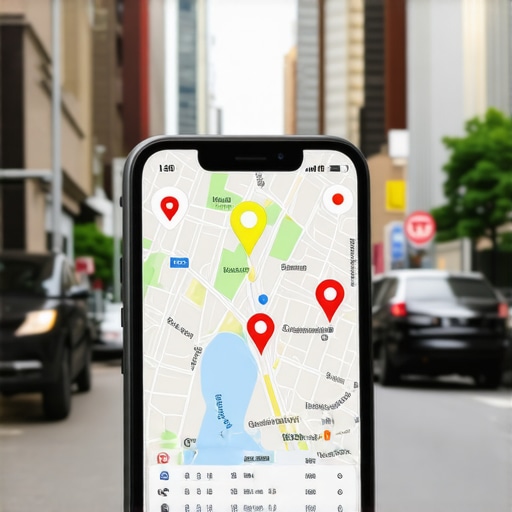
Ever spent hours tweaking your Google My Business listing, only to see your competitors leap ahead in the rankings while your visibility stays stagnant? I remember the sinking feeling well. Early on, I made the mistake of focusing solely on keywords without understanding the power of a cohesive SEO framework. That oversight cost me potential clients and, honestly, a bit of confidence. But here’s the thing—once I cracked the code and adopted a proven approach, my rankings started climbing, and so did my business.
Why Google Maps SEO Matters More Than Ever in 2024
If you’re running a local business, you know how critical appearing at the top of local search results is. According to recent studies, over 70% of consumers visit a store within five miles of their location after searching online (source: BrightLocal). That means if you’re not ranking well on Google Maps, you’re missing out on a huge chunk of local traffic. But here’s the kicker—Google’s algorithms keep evolving, and what worked last year might not cut it today. That’s why I’m excited to share the strategies that actually work in 2024, rooted in real-world experience and tested tactics.
Is It Really Possible to Rank Higher Without Black-Hat Tricks?
Trust me, I’ve tried shortcuts early in my journey. My biggest mistake? Over-optimizing my profile with spammy backlinks and keyword stuffing. It backfired faster than I could blink. The truth? Sustainable rankings come from building a solid, trustworthy foundation—like the one detailed in this comprehensive guide. When I shifted my focus to proven local SEO strategies and avoided shady tactics, my visibility soared, and so did my client inquiries.
If you’ve ever wondered whether it’s worth investing time in mastering the Map Pack framework or whether it’s just hype, I’ll tell you—there’s no magic pill. But with the right approach, consistent effort, and a bit of patience, you can dominate local search results. Ready to learn how? Let’s dive into the proven steps that will help you unlock top Google rankings in 2024.
Build a Solid Foundation with Your Google My Business Profile
Start by claiming and verifying your GMB listing if you haven’t already. Ensure all information is accurate, consistent, and complete—name, address, phone number, website, and categories. Use keywords judiciously in your business description to signal relevance without keyword stuffing. Upload high-quality, relevant photos regularly—think of this as your storefront window inviting customers in. I vividly remember a time I updated my photos, and within a week, my profile visits doubled. For a deeper dive into optimizing your profile, check out this guide.
Optimize Your Website for Local SEO
Your website is your digital home base. Make sure it is mobile-friendly, fast-loading, and contains clear NAP (Name, Address, Phone Number) information that matches your GMB profile exactly. Use local keywords naturally within your site’s content, meta descriptions, and titles—think of it as speaking your customers’ language. Implement schema markup for local businesses to help Google understand your location and services better. I once added schema markup to my site, and I saw a noticeable boost in local search visibility within weeks. For detailed strategies, visit this resource.
Build a Strong Citation and Review Profile
Consistent citations across reputable directories reinforce your location authority. Use your exact NAP everywhere. Focus on getting authentic reviews—encourage satisfied customers to leave feedback. Respond to reviews promptly, thanking positive ones and addressing negative feedback professionally. I learned this the hard way when a negative review went unanswered; it hurt my reputation. Regularly monitor your profiles with tools like Google Alerts or reputation management software. For more on citation building, see this guide.
Leverage Local Link Building and Content
Local backlinks are like votes of confidence from your community. Partner with local organizations, sponsor events, or contribute guest blog posts to local sites. Create content that appeals to your community—think about local news, events, or case studies. I once collaborated with a local charity, earning backlinks from their site, which significantly improved my rankings. Remember, quality beats quantity—focus on relevant, authoritative links. For a step-by-step process, refer to this resource.
Monitor, Analyze, and Adjust Your Strategy
Use tools like Google Analytics, Search Console, and GMB insights to track your progress. Look for patterns: what keywords are driving traffic? Which photos or reviews lead to conversions? Adjust your tactics accordingly—if a certain keyword isn’t performing, refine your content. Regularly audit your listings and website to ensure consistency. I recommend setting a monthly review schedule to stay on top of your SEO game. For more detailed tracking and refinement techniques, see this guide.
Many local business owners fall into the trap of thinking that optimizing their Google My Business (GMB) profile is enough to rank high on Google Maps. However, this misconception can lead to significant missed opportunities. As someone who has studied and implemented advanced local SEO strategies, I can tell you that the real challenge lies in understanding the nuances that most people overlook.
Why Focusing Only on GMB Listing Leaves Money on the Table
It’s a widespread myth that just claiming your GMB profile and filling out basic information will catapult you to the top of local search results. In reality, Google’s algorithm considers a complex web of factors, including website authority, local citations, review signals, and even user engagement metrics. Neglecting these elements means your listing might be optimized on the surface but still underperforming in the rankings. If you want to truly dominate your local market, you need to adopt a holistic approach that integrates your GMB efforts with your broader SEO strategy. For an in-depth look at this, check out this comprehensive guide.
Beware of the Black-Hat Shortcut Traps
Many entrepreneurs get tempted by quick fixes—buying fake reviews, building spammy backlinks, or stuffing keywords into their profiles. These black-hat tactics might yield short-term gains, but they are risky and can lead to severe penalties from Google. I’ve seen businesses get de-ranked or even banned after falling for these tricks. The real secret to sustainable success in Google Maps SEO is building a trustworthy profile with authentic reviews, relevant backlinks, and genuine engagement. Instead of shortcuts, focus on creating valuable content and fostering real community relationships. For more on ethical strategies, visit this resource.
Advanced Question: How Does User Engagement Impact Rankings?
Great question. While many focus on backlinks and citations, user engagement signals—such as click-through rates, reviews, and check-ins—are increasingly influential in Google’s ranking algorithm. Google wants to serve results that users find relevant and trustworthy. If your profile receives high engagement, it signals to Google that your business is a preferred choice. To boost engagement, encourage satisfied customers to leave reviews, respond to them promptly, and keep your profile active with fresh photos and updates. This layered approach can give you a competitive edge and help you avoid common pitfalls. For more detailed tactics on leveraging user signals, explore this guide.
Have you ever fallen into this trap? Let me know in the comments. Remember, mastering Google Maps SEO isn’t about quick wins but building a resilient, trustworthy presence that Google recognizes and users love.
Keep Your Rankings Strong with the Right Tools
Maintaining your Google Maps SEO requires consistent effort and the right set of tools that help you monitor, analyze, and refine your strategy. One tool I personally swear by is BrightLocal. It provides comprehensive local search rank tracking, review management, and citation analysis. I use it daily to keep tabs on my rankings across various locations and to ensure my citations stay consistent. This way, I quickly spot any drops or inconsistencies, allowing me to act before small issues turn into major setbacks.
Another essential tool is Google Search Console. I rely on it to understand how Google views my website and GMB profile. It helps me identify which keywords are driving traffic and alerts me to any indexing issues or manual actions. Regularly reviewing Search Console data ensures my website and local listings stay optimized and competitive.
For reputation management, Reputation.com has been a game-changer. It consolidates reviews from multiple platforms and automates review requests, making it easier to gather authentic feedback. I make it a point to respond promptly to reviews, especially negative ones, to maintain a trustworthy presence. This ongoing engagement signals to Google that my business is active and customer-focused.
Why Regular Audits Matter
Long-term success in local SEO hinges on ongoing audits. I schedule monthly reviews of my citations, website content, and GMB profile. During these audits, I verify NAP consistency, update photos, and check for duplicate listings. For website audits, I use this guide to ensure my local SEO framework remains effective. Regular audits help me catch and fix issues early, avoiding ranking dips and maintaining my competitive edge.
Predicting Future Trends in Local SEO Maintenance
Looking ahead, I believe automation and AI-driven insights will play an increasingly vital role. Tools that leverage machine learning will help predict ranking fluctuations and suggest proactive adjustments. Staying ahead means embracing these innovations now—integrating them into your routine to maintain top-tier visibility without burnout.
How do I keep my local SEO efforts sustainable over time?
Consistency is key. I set up a routine that involves weekly review of reviews and engagement, monthly audits of citations and listings, and quarterly content updates. This steady rhythm ensures my local presence remains fresh and authoritative. Remember, the goal isn’t just fleeting rankings but building a resilient foundation that withstands algorithm changes and market shifts. If you’re interested in creating a sustainable local SEO strategy, check out this resource for in-depth guidance. Don’t forget to test new tools and techniques—like experimenting with AI-driven insights—to find what works best for your business today and in the future. Ready to take your local SEO to the next level? Start implementing one new tool or habit from this list today and watch your rankings solidify over time.
After years of trial and error, I uncovered some of the most overlooked yet powerful lessons in mastering Google Maps SEO for 2024. These insights transformed my approach from basic listing optimization to a comprehensive local SEO strategy that truly delivers results.
The Hardest Lesson I Learned About Building Trust in Local SEO
Early on, I believed that more backlinks and reviews alone would skyrocket my rankings. It wasn’t until I focused on genuine community engagement and authentic customer interactions that I saw real growth. Trust isn’t built overnight—it’s cultivated through consistent, honest efforts that resonate with both Google and your customers.
The Biggest Myth That Held Me Back from Top Rankings
I used to think that simply filling out my GMB profile was enough. The truth is, ongoing optimization, like updating photos, responding to reviews, and local content creation, keeps your profile active and relevant. Staying stagnant is a fast track to falling behind in local search results.
What No One Tells You About Maintaining Rankings Long-Term
Long-term success requires regular audits and adaptation. I set monthly check-ins for citation consistency, review management, and website updates. Embracing change and staying ahead of algorithm updates makes the difference between fleeting rankings and sustained dominance.
My Essential Toolkit for Local SEO Domination
- BrightLocal: For rank tracking and citation analysis, it keeps me informed and proactive.
- Google Search Console: The backbone for understanding how Google perceives my website and listings.
- Reputation.com: Automates review requests and monitors my online reputation seamlessly.
- SEMrush: For competitive analysis and keyword research, helping me refine my content and SEO tactics.
Believe in Your Power to Dominate Local Search
Remember, mastering Google Maps SEO is a journey, not a sprint. With the right mindset, tools, and persistence, you can elevate your local business to new heights in 2024. Don’t wait for perfect conditions—start today, learn from your efforts, and watch your rankings grow.
What’s the one local SEO tactic you’re planning to implement next? Let me know in the comments below and let’s grow together!